
A dripping jumper-valve tap can usually be fixed in about 20 minutes with a single rubber washer that costs under $5 from Bunnings or your local hardware store. The job requires no specialist tools, no plumbing experience, and – importantly for NSW homeowners – no licence. Below is everything you need to know: how to tell which tap type you have, what you can legally do yourself, a step-by-step washer replacement guide, and the clear signs that mean it is time to call a licensed plumber instead.
Washer Tap vs Mixer Tap: How to Tell Which Type You Have
Before you pick up a spanner, identify your tap type. The fix depends entirely on this.
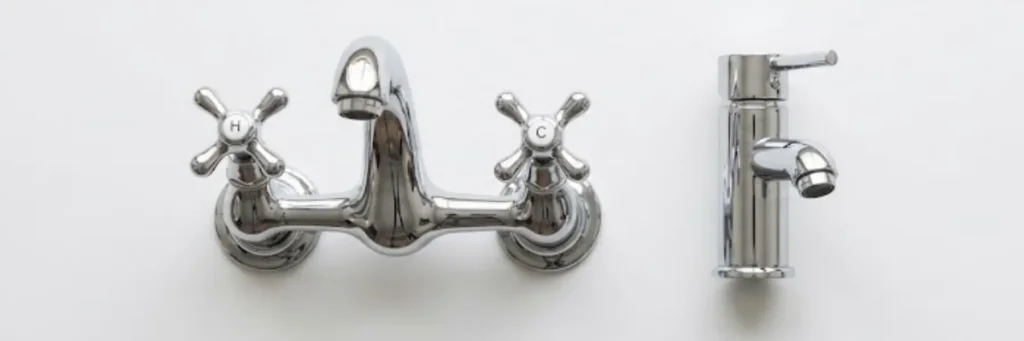
Jumper-valve (washer) taps are the traditional style found in most Australian homes built before 2005. You will recognise them by these features:
- Two separate handles, one for hot and one for cold
- Each handle turns multiple full rotations to open and close
- The handle screws down onto a brass spindle with a rubber washer at the base
Mixer taps look more modern. They have a single lever or handle that controls both temperature and flow. Inside, a ceramic disc cartridge does the work instead of a rubber washer. You cannot see the cartridge without disassembly, but the single-lever design is the giveaway.
Why this matters: if you have a jumper-valve tap, you can replace the washer yourself. If you have a mixer tap leaking from the base or spout, the cartridge or internal seals almost always need replacing – and that job crosses into licensed plumber territory in NSW. If the leak is near your hot water line, it may also be worth checking whether your hot water system needs attention.
What You Can and Cannot Do Yourself in NSW
NSW has stricter DIY plumbing rules than most other Australian states. Here is the plain-language position based on NSW Fair Trading guidelines:
You CAN do yourself:
- Replace a tap washer or jumper valve on a standard jumper-valve tap
- Replace a showerhead (like-for-like swap)
- Clear a minor drain blockage with a plunger
- Replace a toilet seat
You NEED a licensed plumber for:
- Replacing a mixer tap cartridge that requires isolating the water supply via an isolation valve
- Any work that alters, adds, or removes pipework
- Installing or replacing a tap (not just the washer inside it)
- Any work on gas lines, hot water systems, or sewer/drainage connections
Unlicensed plumbing work in NSW can void your home insurance and attract significant fines from Fair Trading. When in doubt, call a licensed tradesperson. If your situation has moved beyond a simple washer swap, Sigma Plumbing offers a $0 call-out fee for emergency jobs across Western Sydney.
Step-by-Step: How to Replace a Tap Washer
What you will need:
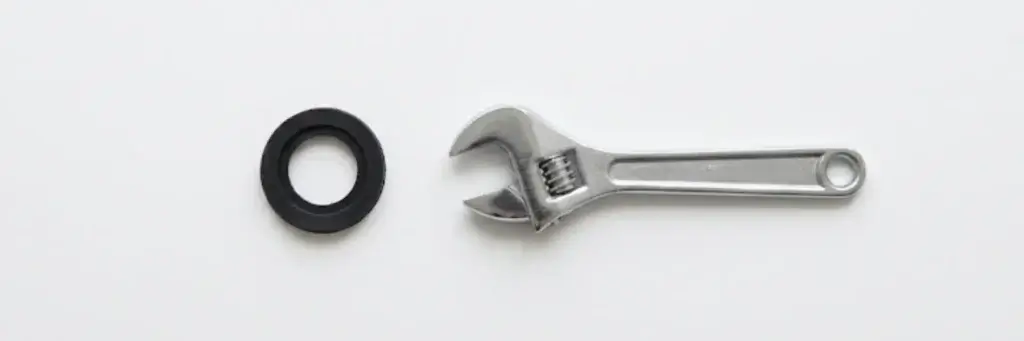
- A replacement washer (take the old one to the hardware store if you are unsure of the size – 12mm and 15mm cover most Australian taps)
- Adjustable spanner or shifting spanner
- Flat-head screwdriver
- A cloth or old towel
The process:
- Turn off the water at the mains. The main stopcock is usually near your water meter at the front boundary of the property. Turn it clockwise until it stops. Then open the dripping tap to release any remaining pressure.
- Remove the tap handle. Prise off the decorative cap (the hot or cold indicator button) with a flat-head screwdriver. Underneath you will find a screw. Remove it and lift the handle off.
- Remove the cover plate or skirt. Unscrew the chrome cover plate by hand or gently with a cloth-wrapped spanner to avoid scratching. This exposes the brass tap body and spindle.
- Unscrew the spindle. Use your adjustable spanner to turn the brass spindle (also called a bonnet nut) anti-clockwise. Lift it straight out.
- Replace the washer. At the bottom of the spindle, you will see the old rubber washer held on by a small brass nut or pressed onto the jumper valve. Prise or unscrew the old washer off and press the new one into place. If the jumper valve itself looks worn or corroded, replace the entire jumper valve – they cost about $3 to $5 from any hardware store.
- Reassemble in reverse order. Drop the spindle back in, tighten the bonnet nut (firm, not overtight), screw the cover plate on, reattach the handle, and press the cap back in.
- Turn the mains back on and test. Open the stopcock slowly, then turn the tap on and off a few times. Check for drips with the tap fully closed.
The whole job should take around 15 to 20 minutes, even on your first attempt.
Why Sydney Taps Drip More Than You Would Expect
If you feel like your taps seem to drip more often than they should, you are probably right – and it is not your imagination.
Sydney Water’s own data shows the current overall average mains pressure across Greater Sydney sits at 52 metres head (approximately 510 kPa), with some properties receiving pressure well above 100 metres head. (Source: Sydney Water – Water Pressure Management Program) Under AS/NZS 3500, anything above 500 kPa is classified as high pressure for residential plumbing.
That extra force pushes harder against your tap washers every single time you turn a tap off. The result? Washers compress, crack, and wear out faster than they would in a lower-pressure area. In parts of Western Sydney – particularly in suburbs at lower elevations like Blacktown, Seven Hills, and Parramatta – higher-than-average mains pressure is common.
The longer-term fix: if your taps keep dripping even after washer replacements, ask a plumber about installing a pressure reducing valve (PRV) at your mains connection. A PRV brings your internal pressure down to a consistent, safe level and protects every tap, flexi hose, and appliance in the house. It is a one-time investment that pays for itself by reducing wear on your entire plumbing system.
After the Fix: How to Confirm It Worked
Once you have replaced the washer and turned the water back on:
- Close the tap firmly (but do not overtighten – a gentle close should be enough)
- Dry the spout completely with a cloth
- Wait five minutes and check for any new moisture
- Check again the following morning before anyone uses that tap
If the tap stays dry, job done.
But if the drip returns within two to four weeks, the problem is almost certainly not the washer. The most likely culprits are a corroded valve seat (the brass surface the washer presses against) or a worn spindle. Both of these need a plumber with the right reseating tools. At that point, contact a plumber in Parramatta or your nearest Sigma Plumbing service area for a proper diagnosis.
Maintenance Tips to Keep Your Taps Drip-Free
- Inspect your tap washers once a year. A quick visual check every 12 months – especially on high-use taps like the kitchen sink – catches early wear before the drip starts. Keep a few spare washers in your toolbox so you can swap them on the spot.
- Clean your tap aerators every six months. Unscrew the mesh filter at the tip of each tap spout and rinse out any sediment or mineral buildup. Clogged aerators cause uneven water flow that puts extra stress on internal components. If your taps are also making noise or running slowly, this is often the reason. For persistent issues beyond the aerator, you might be dealing with a blocked drain or broader plumbing problem that warrants a professional look.
Still Dripping? We Will Sort It.
If the washer swap did not fix it, or your tap turned out to be a mixer, do not wrestle with it. Sigma Plumbing fixes leaking taps across Western Sydney every day – no call-out fee, upfront pricing, and same-day service in most cases. Call 0426 582 778 or book online and we will have it sorted before the end of the day.
Frequently Asked Questions
Can I fix a leaking tap myself in NSW?
Yes, if it is a standard jumper-valve tap and you are only replacing the rubber washer. NSW Fair Trading treats this as basic maintenance. Anything involving pipework alterations, mixer tap cartridges requiring isolation valves, or new tap installations must be done by a licensed plumber.
How much does a plumber charge to fix a dripping tap in Sydney?
Most Sydney plumbers charge from $120 to $200 for a straightforward tap repair, depending on the tap type and whether parts need sourcing. Sigma Plumbing prices per task with no call-out fee, so you know the cost before work begins.
How long does a tap washer last?
A standard rubber tap washer typically lasts between two and five years. In areas with higher mains water pressure, like many parts of Sydney, washers may wear out faster – sometimes in as little as 12 to 18 months.
Is a dripping tap an emergency?
A slow drip is not usually an emergency, but it should not be ignored. A single dripping tap can waste over 20,000 litres of water per year. If the drip is rapid or you cannot turn the tap off at all, call an emergency plumber in Sydney for same-day help.
What if my mixer tap leaks from the base?
A leak from the base of a mixer tap usually means the O-rings or cartridge seals have failed. This repair requires disassembly and often an isolation valve shut-off, which is classified as licensed plumbing work in NSW. Book a licensed plumber rather than attempting this yourself.