
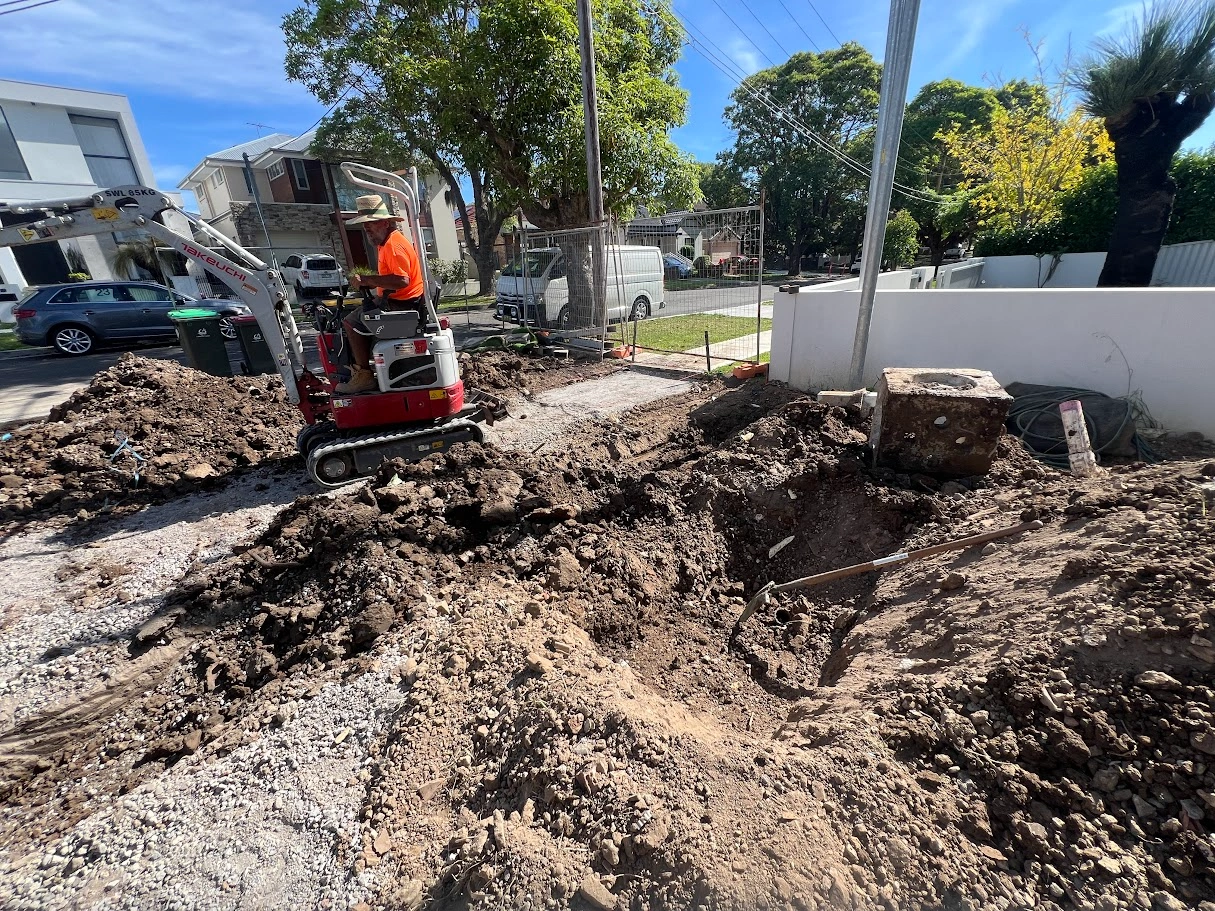
Stay One Step Ahead of Water Damage
Flooding can cause serious damage if your plumbing systems aren’t properly managed. Sigma Plumbing provides flood prevention solutions to reduce risks and protect your property.
From drainage improvements to preventative measures, we help safeguard homes and businesses against unexpected water incidents.
Service That Goes Above Expectations
We don’t just fix problems, we plan ahead. Our team identifies vulnerabilities and applies proven solutions, so your property is ready before water becomes a threat.
Signs Your Property Could Flood in Heavy Rain
Storm flooding is often a drainage problem. Water that cannot get away from the house finds its way in. Watch for these:
- Water pooling against walls, under doors or in the garage
- A block that slopes down towards the house
- Gutters and downpipes overflowing in a downpour
- Pits that are too small or keep filling with silt
- A wet subfloor or musty smell under the house after storms
- A driveway or courtyard with no grate to catch the water
- Water coming back up through floor wastes in heavy rain
If you can tick two or more of these, it is worth having the drainage checked before the next big storm.
How We Work on a Flood Prevention Check
- 01
Walk the Site
We look at where the water comes from and where it goes: roof, gutters, downpipes, paved areas, pits and the slope of the block.
- 02
Check the Pipes
The drain camera shows whether underground stormwater lines are blocked, broken or too small.
- 03
Explain the Options
You get a plain explanation of what is letting water in and a fixed price for each option, before anything starts.
- 04
Do the Work
We carry out the drainage work to Australian Standards and clean up when we finish.
Flood Prevention Work for Homes and Businesses
Every property takes on water for its own reasons, so the fix depends on what we find. These are the options we use.
Stormwater Pit Upgrades
Larger or extra pits where surface water collects faster than the old pit can drain it.
Learn more →Surface Drainage Channels
Grated channels across driveways, garage entries and courtyards to catch water before it reaches the door.
Subsoil Drainage
Slotted pipe laid in gravel to carry ground water away from walls, paths and retaining walls.
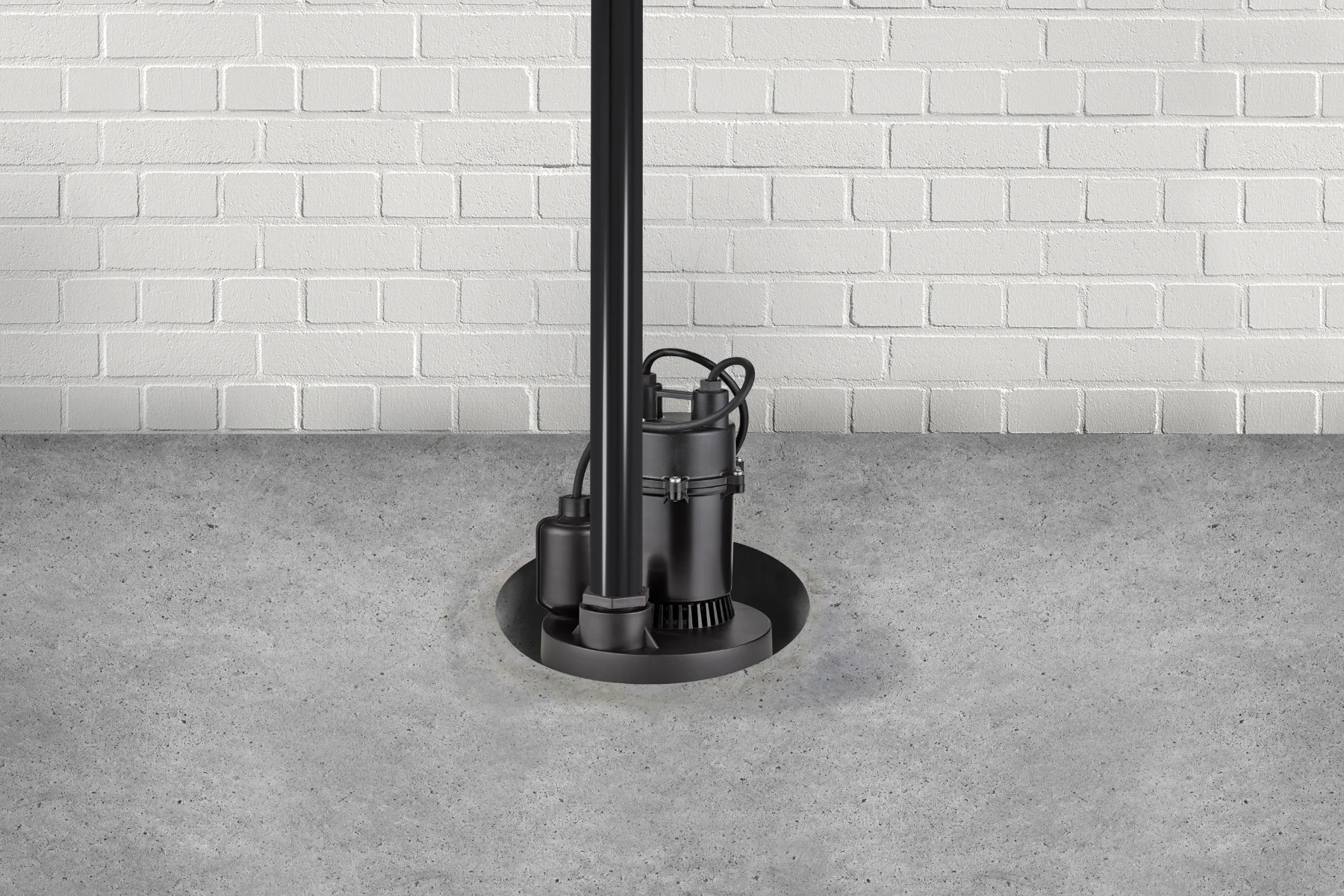
Sump Pumps
A pump in a pit to lift water out of low spots, such as a basement, that cannot drain away on their own.
Backflow Prevention
Devices that stop dirty water flowing back the wrong way through your pipes.
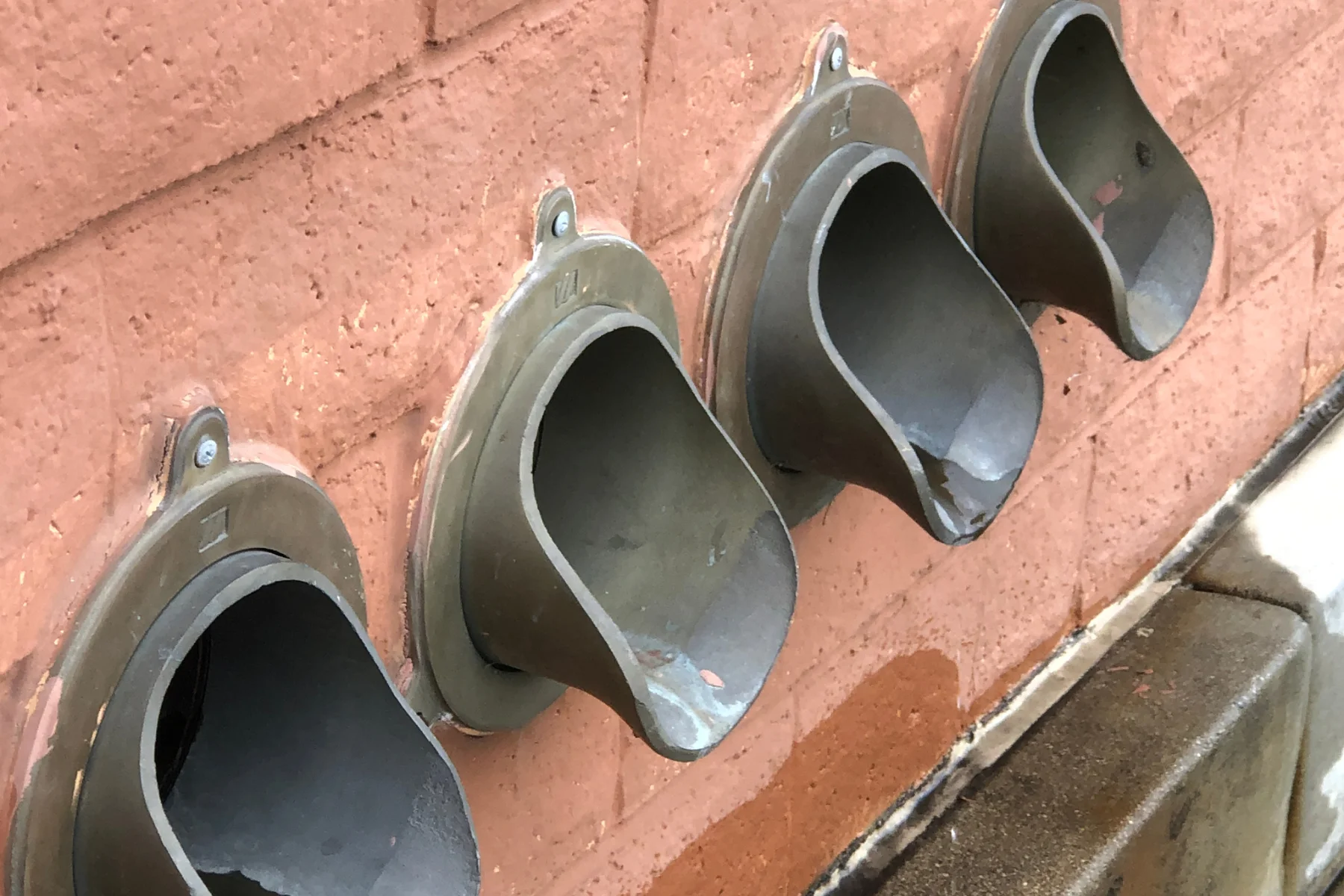
Gutters and Downpipes
Roof water directed into the stormwater system instead of spilling down beside the house.
Learn more →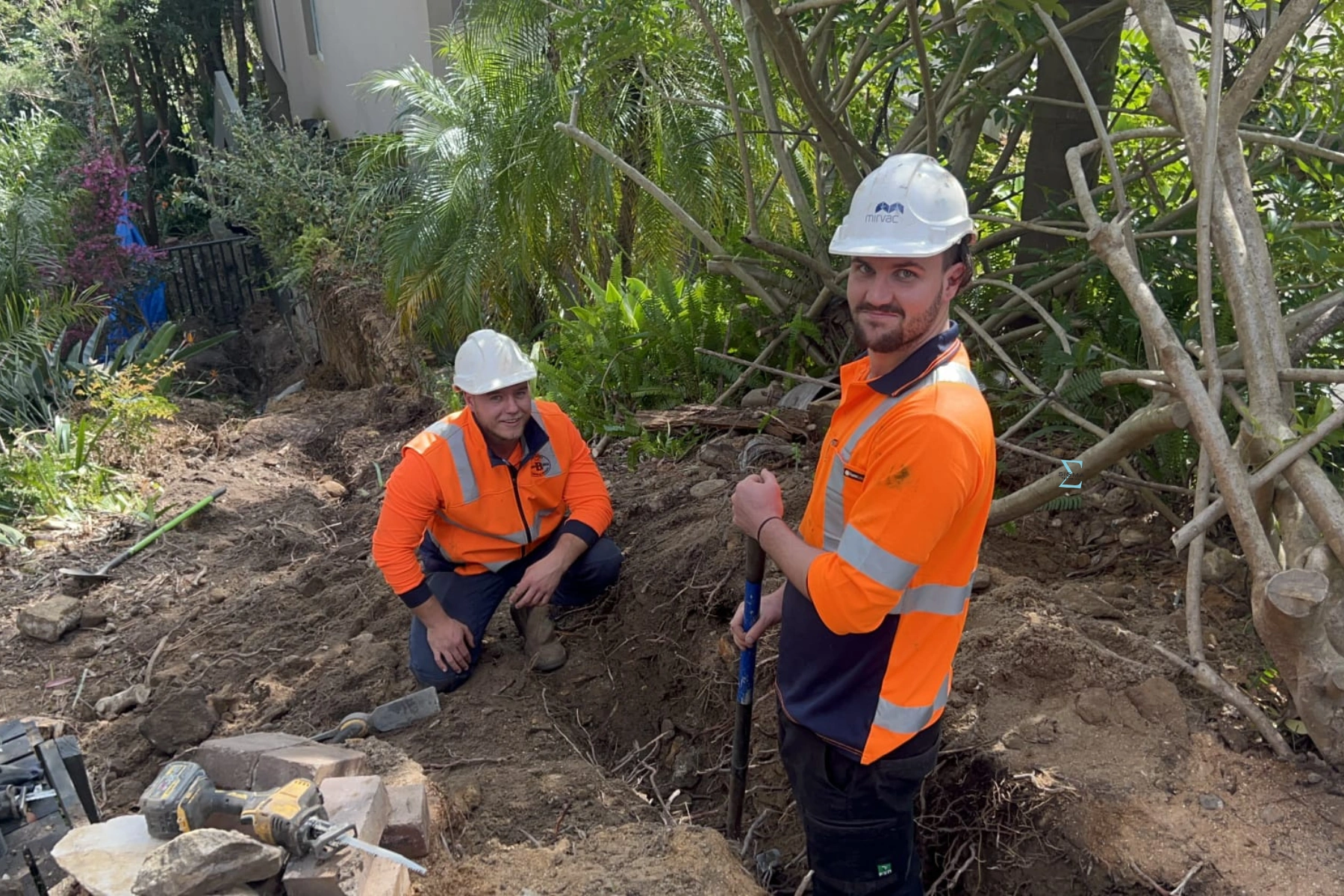
Drainage Upgrades Before the Next Storm
Most flood prevention is drainage work done in dry weather. Clearing and repairing the stormwater system, adding capacity where it is undersized and sending water away from the house all cut the chance of water getting inside when a storm hits.
Blocked lines are cleared with high pressure jetting. Cracked pipes under driveways and paths can be relined instead of dug up. Where the levels are wrong, new drainage is laid to carry water to a safe outlet.
If you want to get ready yourself, start with our guide on what your plumber can do before the next storm. If water is already coming in, call our 24/7 emergency line.
Flood Prevention FAQs
What does flood prevention involve?
It can include drainage upgrades, water barriers, backflow prevention, and other protective measures.
Can I prevent flooding in both residential and commercial properties?
Yes. Our solutions are designed for all property types.
Do you provide advice on risk management?
bsolutely. We provide expert recommendations tailored to your property.
What can I do myself before a storm?
Clear leaves from gutters, downpipe heads and pit grates. Check that each downpipe is still connected at the bottom. Move anything that could wash into a drain, and keep the outside gully clear. If water still pools after that, the drainage needs a closer look.
Do I need a sump pump?
Only if water collects somewhere lower than any drain it could flow to, like a basement, a sunken garage or a low courtyard. If the water can drain away by gravity, a bigger pit or a better pipe is usually the simpler fix.
Why does water come up through my floor waste when it rains?
Often rainwater is getting into the sewer somewhere, through a broken pipe, a low gully or a downpipe connected to the wrong line, and the sewer cannot cope with the extra water. We check the lines with the camera to find where it is getting in.