
The kitchen sink is backing up, dinner is in twenty minutes, and every blog on the internet says the same thing: pour baking soda down the drain, follow it with vinegar, and let the bubbling reaction do the work. The problem is that the reaction produces carbon dioxide gas, water, and a mild salt. None of those break down grease, cut through hair, or shift compacted debris inside a pipe. The bubbling you see is just CO2 escaping into the air. We deal with the aftermath of this advice every week on jobs across Western Sydney, so here is a straightforward look at why the method falls short and how to unblock a drain with approaches that actually deliver results.
Why Baking Soda and Vinegar Looks Effective But Is Not
The reaction is simple. Baking soda (sodium bicarbonate, a base) meets vinegar (acetic acid, an acid). They react and produce three things:
- Carbon dioxide gas (the dramatic fizz)
- Water
- Sodium acetate (a mild salt)
None of those three products dissolve grease. None of them cut through hair. None of them shift compacted food debris wedged inside a P-trap. The fizz happens right at the drain opening, not deep in the pipe where the actual blockage sits. By the time anything reaches the clog, the reaction is already spent.
The reason this method keeps getting shared is that the visual fizz creates a false impression of cleaning action. It looks like something powerful is happening. It is not. The follow-up step in most guides is to pour hot water down the drain, and in many cases, it is the hot water doing the minimal work, not the baking soda and vinegar. You could skip both and get the same result.
What Actually Works to Clear a Blocked Drain
Not all blockages are the same, and the right fix depends on what is causing the problem. Here are the methods that actually work, ranked by effectiveness.
1. Mechanical removal with a drain snake or hook
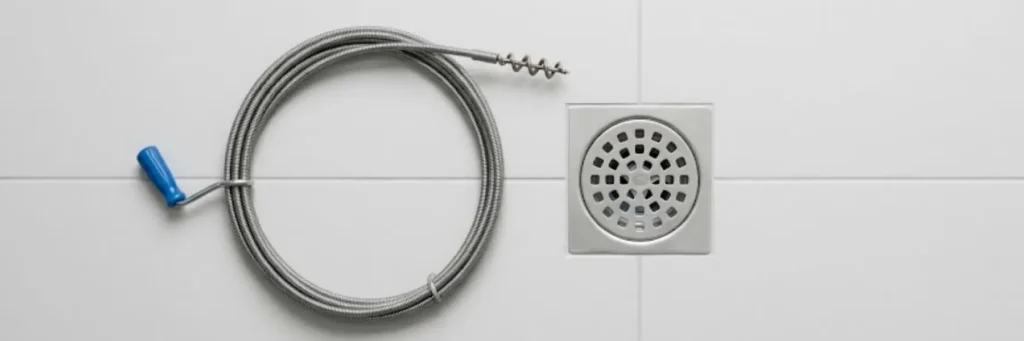
This is the most reliable DIY method for a blocked bathroom or shower drain. A basic drain snake (also called a drain auger) costs under $25 from Bunnings and physically pulls out hair, soap buildup, and debris. A bent wire coat hanger works in a pinch for shallow blockages. No chemicals, no waiting, and you can see exactly what was causing the problem.
2. Enzyme-based drain cleaner for grease
Enzyme drain cleaners use live bacteria that digest fats, oils, and organic matter. They are not instant. Most products need six to eight hours (or overnight) to work. But unlike caustic chemical cleaners, they do not damage pipes and they actually break grease down rather than just pushing it further along. Products like Drain Clean Liquid Enzyme (available at Bunnings for around $14) are a good option for slow kitchen drains. We covered the full range of off-the-shelf options in our Bunnings drain cleaner review.
3. Plunger for soft blockages
A plunger creates a pressure shift that can dislodge soft blockages, particularly in toilets and kitchen sinks. Use a flange plunger (the type with an extended rubber lip) for toilets and a flat cup plunger for sinks. Make sure the plunger is fully submerged before you pump. If you need a more detailed walkthrough for toilets specifically, our guide on how to unblock a toilet covers the full process.
4. Hydro-jetting for deep or root-adjacent blockages (professional only)
High-pressure water jetting uses a specialised nozzle and pump to blast through compacted debris, tree roots, and years of grease buildup inside drain lines. It is the most effective drain clearing method available, but it requires professional equipment and a licensed plumber. This is the standard tool our team uses for blocked drains Sydney jobs, and every jetting job includes a post-clearance CCTV camera check to confirm the pipe is fully clear.
Match the Fix to the Drain Type
Different drains clog for different reasons. Knowing which type you are dealing with saves time and money.
Kitchen drains (grease dominant)
- The usual culprit is a buildup of cooking oil, fat, and food scraps that solidify inside the pipe
- Best DIY approach: enzyme-based drain cleaner left overnight, followed by a hot water flush
- Prevention tip: never pour cooking oil down the sink and always scrape plates into the bin before washing
Bathroom drains (hair dominant)
- Hair tangled around soap scum is the most common bathroom blockage across Australian homes
- Best DIY approach: drain snake or a simple plastic hair catcher tool (under $5 from any hardware store)
- Prevention tip: install a mesh drain cover and clean it weekly
Outdoor and gully drains (debris or roots)
- Leaves, soil, and tree root intrusion are the main causes, especially in established Western Sydney suburbs where mature trees sit close to ageing clay drain lines
- DIY limit: you can clear surface debris from gully grates, but if the blockage is below ground or caused by roots, stop here and call a plumber
- For blocked stormwater drain issues, professional CCTV inspection and jetting are the only reliable methods
When Baking Soda and Vinegar Does Something Useful
To be fair, there is one scenario where baking soda and vinegar is not completely pointless: a drain that is slow but not actually blocked, where the cause is light soap scum buildup on the pipe walls. In this specific case, the mild agitation from the CO2 gas and the slight alkalinity of the leftover baking soda can loosen surface-level residue enough for a hot water flush to carry it away.
But this is maintenance on a drain that is already mostly clear. It is not a fix for a blocked drain. If the water is pooling or not draining at all, skip this method entirely.
Chemical Drain Cleaners and Older Pipes: A Word of Caution

When baking soda and vinegar fails (as it usually does), many people reach for a caustic chemical drain cleaner. These products generate heat and dissolve organic material, but they come with real risks, particularly in older Sydney homes.
- Clay pipes (common in Inner-West Sydney homes built before the 1970s) can be weakened by repeated exposure to caustic chemicals, accelerating joint failure
- Older PVC joints from early plastic pipe installations can soften and warp under the heat generated by strong chemical reactions
- Stainless steel and chrome fixtures can be etched or discoloured by splashback
Chemical cleaners can also push a partial blockage deeper into the line, turning a $250 jetting job into something more expensive. If one application does not clear the drain, do not keep pouring more product in. That is the point where a plumber with a camera will save you money.
Stop Googling, Start Fixing
If your drain is blocked and you have already tried the sensible DIY steps above, do not waste another evening experimenting with kitchen cupboard chemistry. Sigma Plumbing clears blocked drains across Western Sydney every day, with CCTV inspection, hydro-jetting, and upfront pricing. No call-out fee, no guesswork. Call 0426 582 778 or book an emergency plumber Sydney and we will have it sorted.
Frequently Asked Questions
Does vinegar and baking soda unclog drains?
No. The reaction produces CO2 gas, water, and a mild salt. None of these dissolve grease, hair, or compacted debris. The fizz looks active but does almost nothing to an actual blockage.
What breaks down grease in a drain?
Enzyme-based drain cleaners use live bacteria to digest fats and oils over six to eight hours. For severe grease buildup, professional hydro-jetting is the most effective solution.
How do you unblock a severely blocked drain?
A drain snake handles most accessible blockages. If the drain is fully blocked and water is not moving at all, a licensed plumber with CCTV inspection and high-pressure jetting equipment is the safest and fastest option.
How do I know if I have a blocked sewer line vs a local blockage?
If only one fixture is affected (one sink, one shower), the blockage is likely local. If multiple fixtures are backing up at the same time, the blockage is almost certainly in your main sewer line and needs professional diagnosis.
What is hydro-jetting and when do I need it in Sydney?
Hydro-jetting uses high-pressure water (typically 4,000 to 5,000 PSI) to clear tree roots, grease, and debris from drain lines. It is the standard professional method for recurring or deep blockages, and it is especially common in Western Sydney suburbs with older clay pipe infrastructure.